
Tracking Inflation: Current Rates and Consumer Impact
How inflation is measured, recent price movements across sectors, and what it means for household purchasing power in Malaysia

What’s Happening to Your Money?
You’ve probably noticed it at the supermarket. Things cost more than they did six months ago. That feeling isn’t just in your head — it’s inflation, and it’s worth understanding. When prices rise across the economy, your ringgit doesn’t stretch as far. But inflation isn’t always bad, and it’s not always the same everywhere.
We’re going to break down what inflation actually is, how Malaysia’s rates have moved recently, and most importantly, what it means for your wallet. The data changes monthly, but the principles stay the same. Let’s dig in.
Understanding inflation measurements, sector-specific price changes, and household purchasing power in 2026
How We Measure Inflation
Inflation isn’t just one number — it’s a basket of everyday items that statisticians track. The Consumer Price Index (CPI) is the main tool. It looks at food, transport, housing, utilities, and dozens of other things people actually buy. Bank Negara Malaysia publishes monthly CPI data, and that’s where we get our inflation rate.
Think of it like this: if a bowl of nasi lemak cost RM5 last year and costs RM5.40 now, that’s an 8% increase in price for that item. When you do that across hundreds of products and weight them by how much people actually spend, you get the overall inflation rate.
- Core inflation excludes volatile items like oil and fresh food
- Headline inflation includes everything, the full picture
- Year-on-year changes show real purchasing power shifts

Recent Price Movements
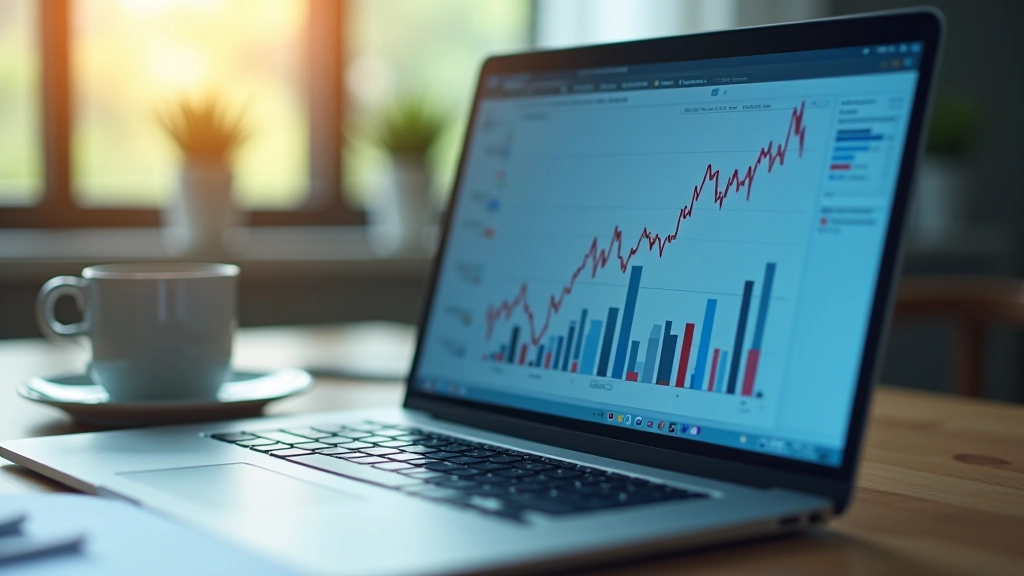
Malaysia’s inflation story in 2026 is mixed. Some months we’ve seen rates around 2-3%, other months tick slightly higher. This isn’t unusual — inflation moves with global oil prices, harvests, supply chain issues, and dozens of factors beyond anyone’s direct control.
What matters for your household is that food, transport, and housing don’t all jump at the same time. You might see transport costs (petrol, bus fares) spike in one month while food prices actually dip the next. That’s where sector-by-sector tracking comes in.
“Inflation isn’t a single force hitting everyone equally. It moves through the economy in waves, affecting different groups at different times.”
— Bank Negara Economic Outlook, 2026
Where Prices Are Rising Fastest
Not all sectors experience inflation equally. Some areas see real pressure while others remain stable.
Food & Beverages
Fresh produce, dairy, and proteins show the most volatility. A bad harvest season pushes prices up quickly. Imported items feel it more than local produce.
Transport
Petrol prices dominate this sector. When crude oil spikes globally, Malaysian pump prices follow within weeks. Taxi and bus fares adjust accordingly.
Housing & Utilities
Rent and electricity rise more gradually but steadily. These are structural costs that don’t bounce around as much as food or fuel.
Healthcare
Medical services and prescription costs rise steadily. Private hospital fees outpace government clinic charges, widening the gap between affordable and premium care.
Clothing & Personal Care
These items show the slowest inflation. Fashion and toiletries compete fiercely, keeping prices more stable than essential items.
Education
Tuition fees and school supplies rise steadily year after year. Private school costs climb faster than public school fees, reflecting market competition.
What This Means for Your Wallet
Here’s the reality: if inflation is running at 2.5% and your salary only increased 1%, you’ve lost purchasing power. That’s not paranoia — it’s math. Your money buys less, even though the amount in your bank account hasn’t changed.
Different households feel inflation differently. A family spending 40% of their income on food feels food inflation much harder than someone spending 15%. If you use public transport daily, petrol price spikes affect you less directly. But if you drive, they hit immediately.
Real Impact Example
If you spend RM2,000 monthly on living expenses and inflation averages 3% annually, you’ll need about RM60 more per month just to maintain the same lifestyle. Over a year, that’s RM720. Over five years? RM3,600. That adds up fast.

How to Protect Your Purchasing Power
You can’t stop inflation, but you can adapt to it.
Track Your Spending Patterns
Know which categories hit your budget hardest. If food is 35% of your spending, monitor food prices carefully. If housing is 25%, focus there. You can’t change inflation, but you can shift where you spend.
Negotiate Your Income
If inflation’s running at 3% and you’re not getting raises, you’re losing ground. Inflation is a legitimate reason to ask for a salary increase. Your employer knows prices are rising — they’re managing it too.
Build an Emergency Fund
When unexpected costs spike (medical bills, car repairs), inflation makes them even worse. Having 3-6 months of expenses saved means you’re not forced into reactive decisions when prices jump.
Look for Inflation-Resistant Investments
Some investments hold value better when inflation rises. Fixed deposits in an inflationary environment lose purchasing power, but some instruments (like certain bonds or dividend stocks) can keep pace. Consult a financial advisor for your situation.
Where to Find Current Data
Don’t rely on guesses. Malaysia’s official inflation numbers come from Bank Negara and the Department of Statistics. Bank Negara releases CPI data monthly, usually in the second week after the month ends. You’ll find year-on-year percentage changes, month-on-month changes, and breakdowns by sector.
The Department of Statistics also publishes detailed reports. These include regional variations — inflation in Kuala Lumpur sometimes differs from Penang or Johor. If you’re planning financially, it’s worth checking your specific state’s data.
The Bottom Line
Inflation isn’t complicated once you understand it. Prices rise. Your money buys less. It affects different people differently depending on what they spend on. And you’ve got practical tools to manage it — tracking, negotiating, saving, and investing thoughtfully.
The key is staying informed. Check the monthly CPI figures. Notice which sectors are jumping. Adjust your budget accordingly. Don’t panic about short-term spikes, but don’t ignore longer trends either. When you understand inflation, you stop feeling like prices are randomly attacking your wallet and start seeing patterns you can actually work with.
Disclaimer
This article is informational and educational in nature. It explains how inflation is measured and tracked in Malaysia based on publicly available data from Bank Negara and the Department of Statistics. The content isn’t financial advice, investment guidance, or economic forecasting. Inflation rates, trends, and their impacts vary based on individual circumstances. For specific financial decisions related to inflation, we recommend consulting with a qualified financial advisor or economist who can assess your personal situation. Economic conditions change monthly, so always verify current data from official sources before making decisions.